The Recovery Stack
Surgery is only half the equation. What you do after determines your results. Dr. Whitfield's 5-modality recovery protocol uses technology most clinics don't have — engineered to support your recovery and optimize your outcome.
Most Surgeons Stop at the Operating Room
Traditional surgical care ends when the procedure is over. You're sent home with painkillers and told to rest. But your body needs active support to heal optimally — and the first 72 hours are the most critical window.
Unmanaged Inflammation
Prolonged swelling, increased pain, and slower tissue repair that can compromise your surgical results.
Poor Lymphatic Drainage
Fluid accumulation, increased risk of seroma, and delayed healing that extends your recovery timeline by weeks.
Insufficient Cellular Support
Your cells lack the oxygen and energy they need to repair — leading to suboptimal scarring and longer downtime.
Dr. Whitfield built the Recovery Stack to solve this — a 5-modality protocol that gives your body every advantage during the healing window that matters most.
Human Regenerator
FlowPresso
NanoVi
Summit to Sea Vertical Hyperbaric Chamber
Joovv Red Light Therapy
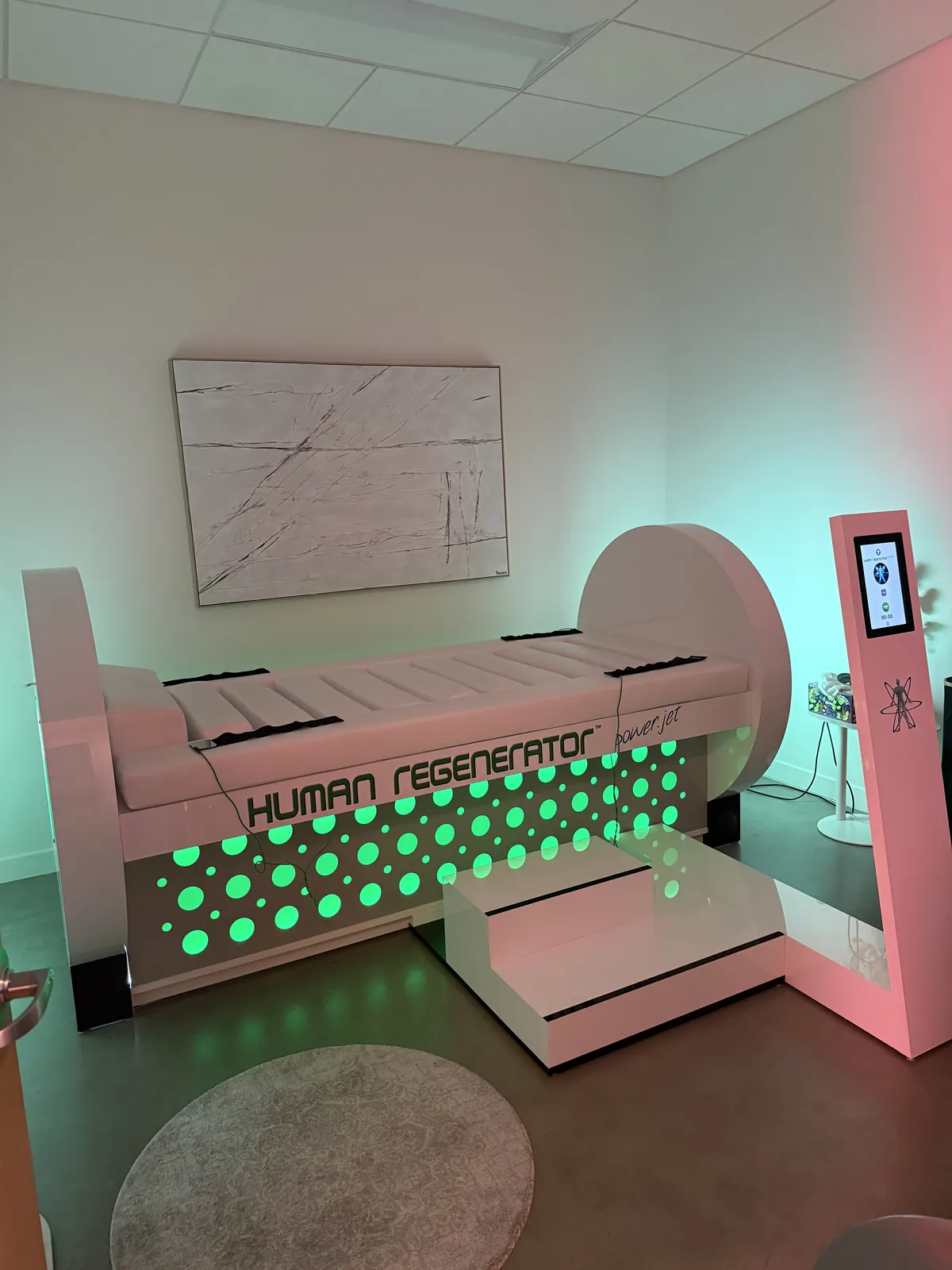
Human Regenerator
Cold Atmospheric Plasma (CAP) Technology — From Germany
One of the only clinics in North America with this technology
Your recovery begins with the Human Regenerator — a full-body wellness device using Cold Atmospheric Plasma (CAP) technology. The device delivers a gentle stream of ionized particles — including static charge, negatively charged ions, and free electrons — to restore electrical balance at the cellular level. This non-invasive, touchless therapy reduces oxidative stress and activates cellular repair processes, preparing your body for optimal healing.
- Restores electrical balance at the cellular level
- Reduces oxidative stress and activates cellular repair
- Non-invasive and touchless — patients relax during treatment
- Supports whole-body regeneration post-surgery
A clinical trial evaluating the Human Regenerator Power Jet device is registered on ClinicalTrials.gov (NCT07279272), reflecting growing biomedical research interest in CAP technology for cellular regeneration.
FlowPresso
FDA-Cleared Class II Medical Device — From New Zealand
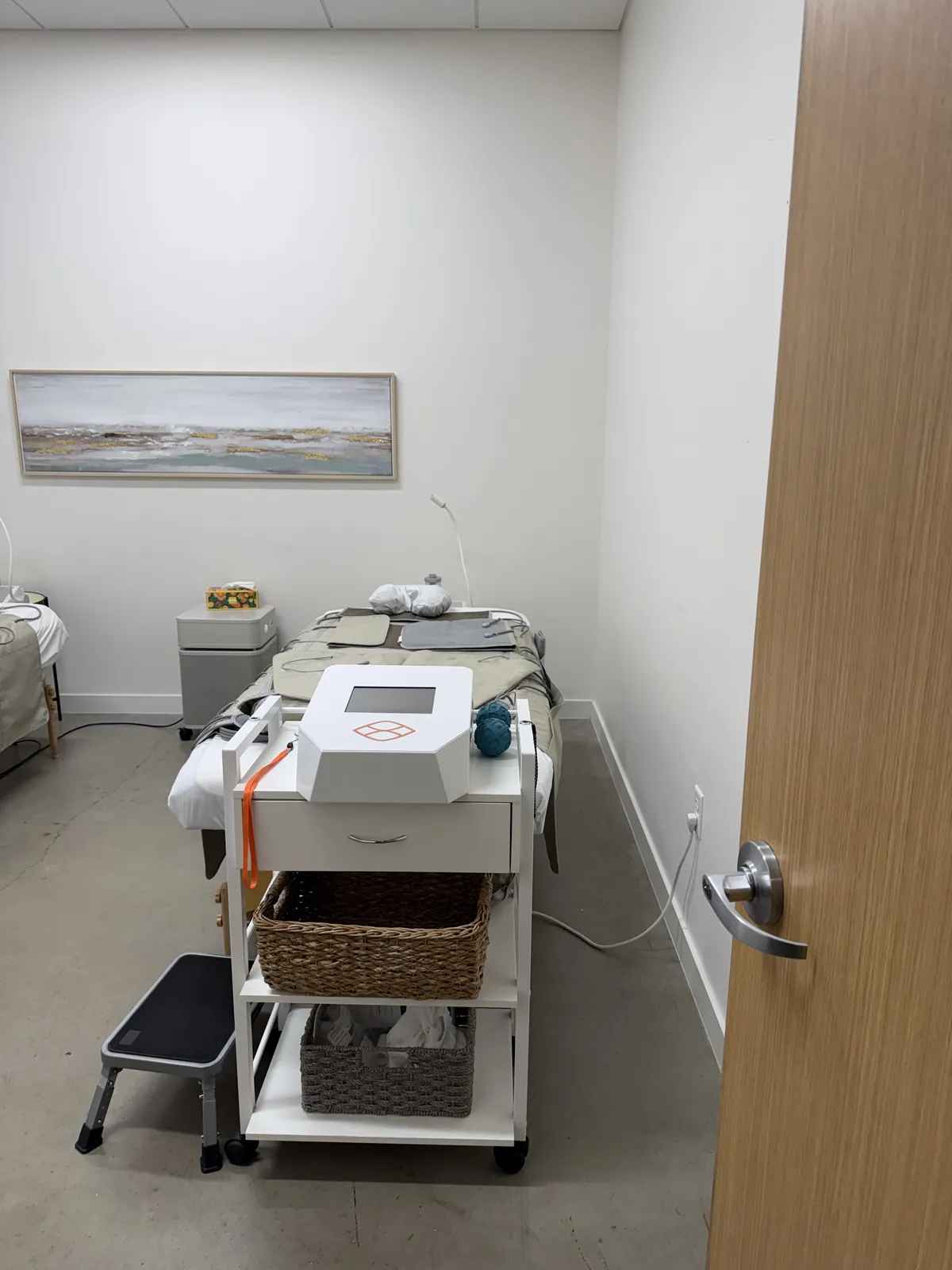
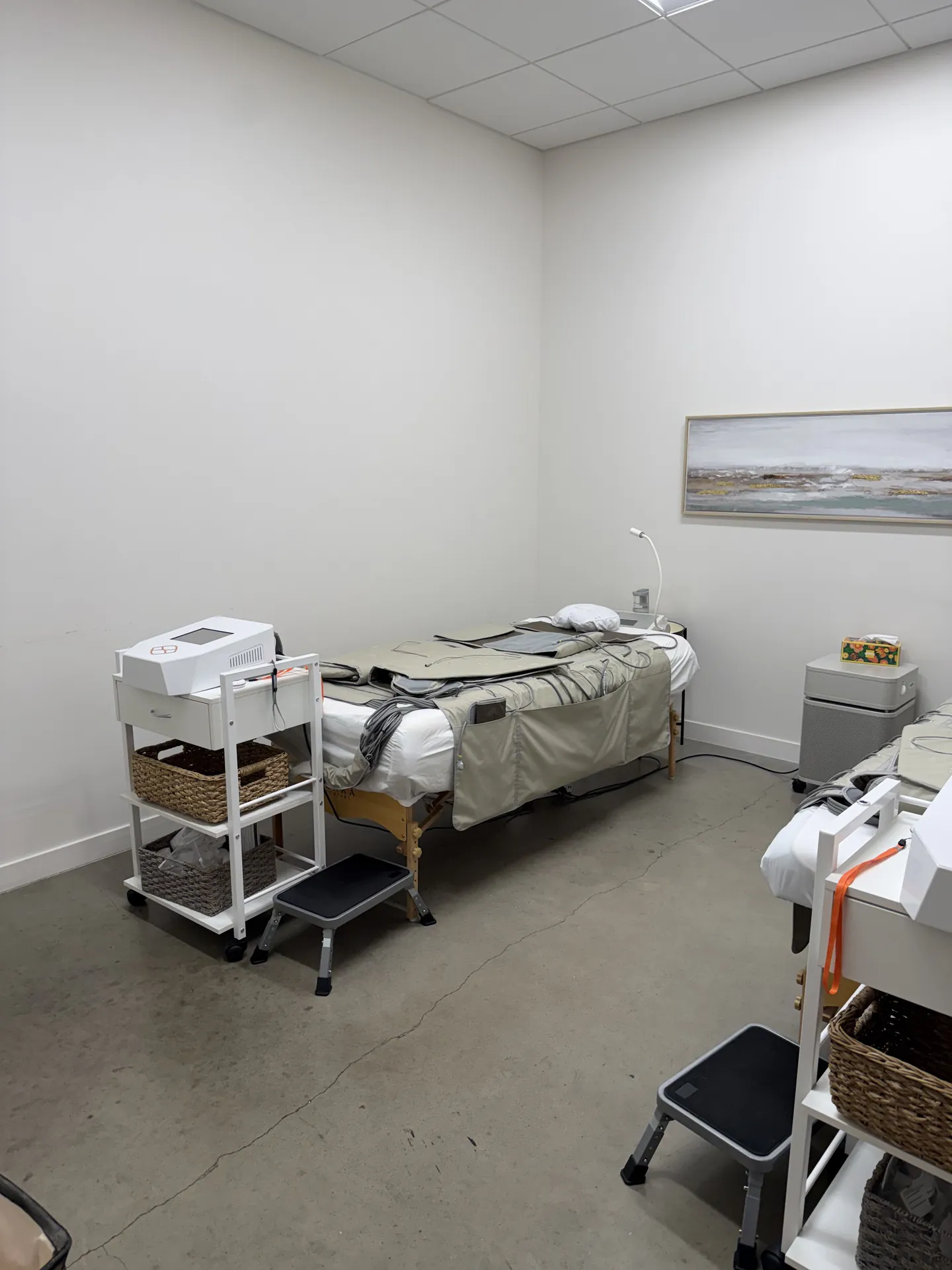
3 dedicated treatment units — FDA-cleared cyclic compression with far-infrared heat
Next, you move to the lymphatic treatment room where the FlowPresso system delivers triple-modality therapy. This FDA-cleared Class II medical device combines cyclic compression, far-infrared heat, and deep pressure therapy to stimulate the lymphatic and venous systems. The sequential compression reduces post-operative swelling, supports detoxification, and down-regulates the sympathetic nervous system to promote recovery.
- Cyclic compression reduces post-surgical swelling and promotes lymphatic drainage
- Far-infrared heat enhances circulation and tissue relaxation
- Deep pressure therapy down-regulates the sympathetic nervous system
- Three dedicated units — no waiting, no scheduling conflicts
A pilot trial presented at Sports & Exercise New Zealand reported that 92% of participants experienced improved sleep quality, with up to 63% reporting reduced stress symptomatology.
NanoVi
Bio-Identical Signaling for Cellular Repair — by ENG3 Corp
Administered simultaneously with FlowPresso for multi-modal recovery
While the FlowPresso works on your body, you breathe through the NanoVi device — a bio-identical signaling device by ENG3 Corp. NanoVi generates a specific signal embedded in a humidified airstream that influences cellular water properties, supporting proper protein folding. Correctly folded proteins are essential for enzymatic activity, DNA repair, and antioxidant defense — helping your cells counteract oxidative stress damage from surgery.
- Supports cellular repair mechanisms critical for post-surgical healing
- Enhances antioxidant enzyme activity by 18–45%
- Improves immune response during the recovery window
- Simultaneous treatment with FlowPresso maximizes session efficiency
Research at the N.M. Emanuel Institute showed 18–45% improvement in antioxidant enzyme activity. A University of Vienna study found 16.9% higher monocyte counts in athletes using NanoVi after strenuous exercise.
Summit to Sea Vertical Hyperbaric Chamber
Mild Hyperbaric Oxygen Therapy (mHBOT) — Up to 1.3 ATA
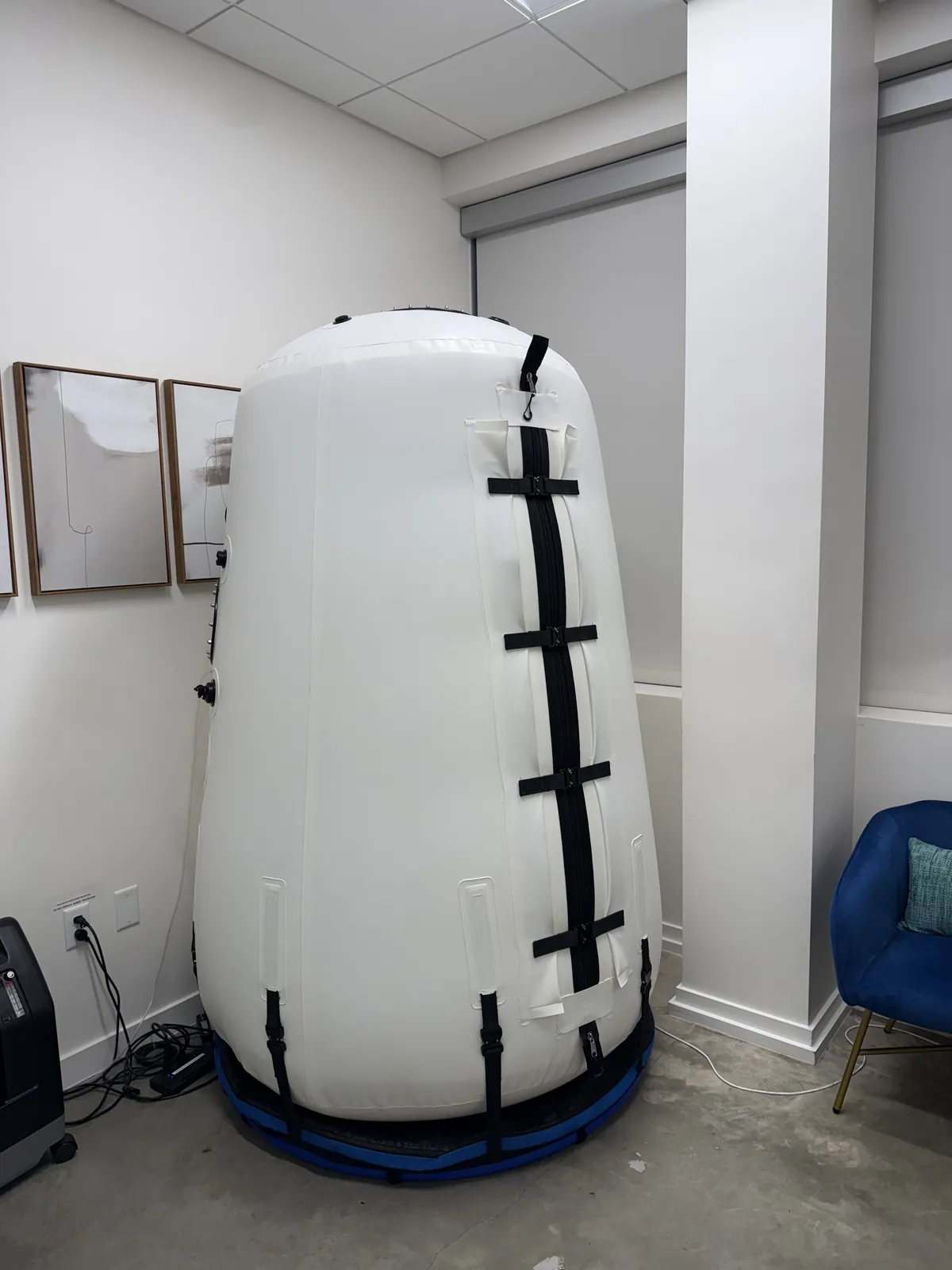
Vertical design — sit upright to protect surgical sites
Your next station is the Summit to Sea vertical hyperbaric chamber — an FDA-registered mild hyperbaric oxygen therapy (mHBOT) chamber manufactured in the USA. Patients breathe concentrated oxygen at increased atmospheric pressure (up to 1.3 ATA), allowing significantly more oxygen to dissolve into blood plasma, cerebrospinal fluid, and tissues — beyond what hemoglobin alone can carry. The vertical design allows you to sit upright without putting pressure on surgical sites.
- Elevated tissue oxygenation accelerates post-surgical recovery
- Reduces inflammation and stimulates angiogenesis (new blood vessel growth)
- Vertical design protects chest and body surgical sites — no arm use required
- Enhances immune function and supports detoxification processes
Hyperbaric oxygen therapy is well-established in medical literature for wound healing, with documented benefits for tissue oxygenation, new blood vessel formation, and immune support.
Joovv Red Light Therapy
Photobiomodulation — 660nm Red & 850nm Near-Infrared
6-foot full-body panel — 10-minute targeted sessions
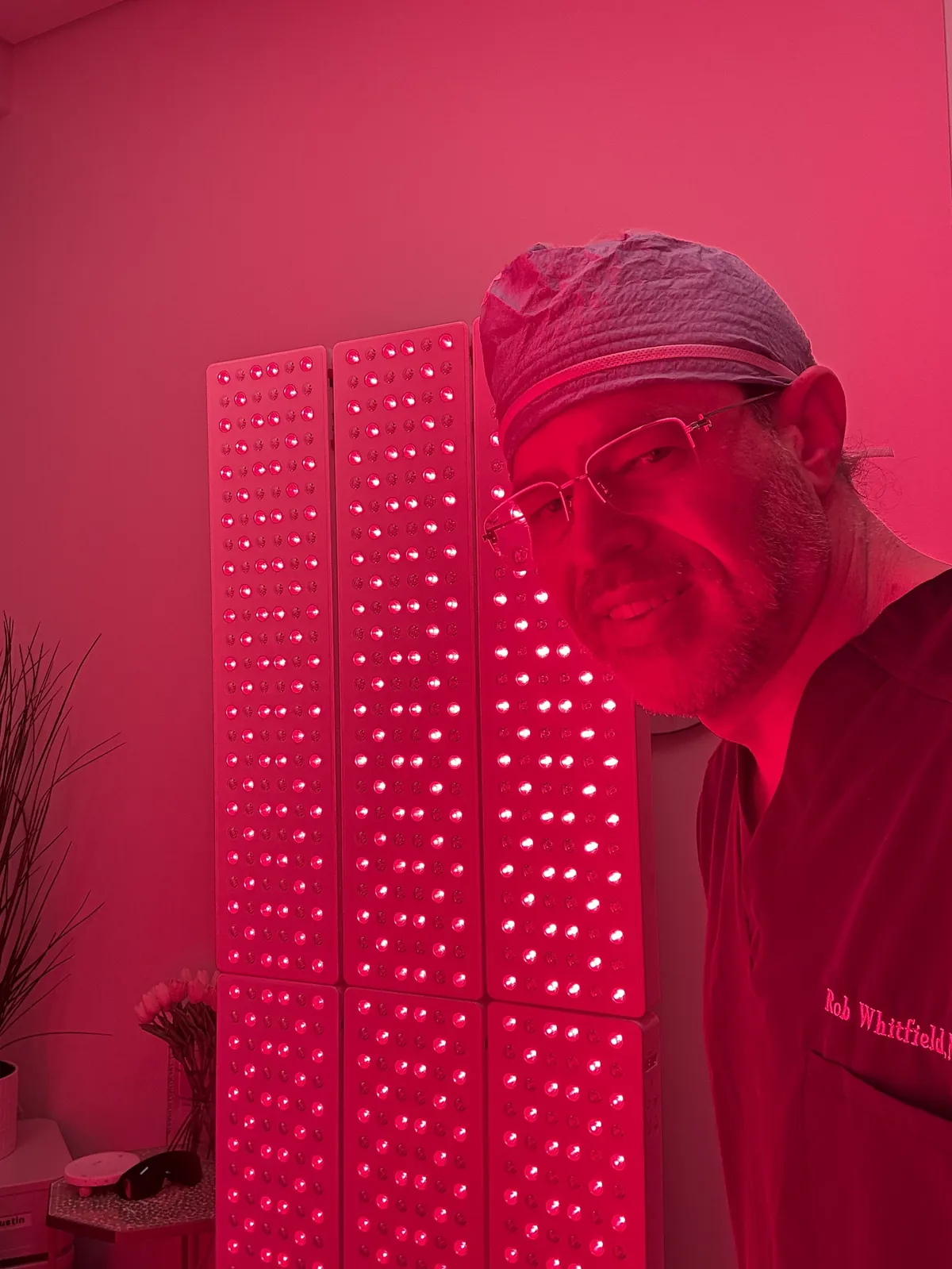
Your recovery session concludes with 10 minutes in front of the 6-foot Joovv red light panel. This medical-grade device delivers targeted red (660nm) and near-infrared (850nm) wavelengths that are absorbed by cytochrome c oxidase in the mitochondria. This stimulates ATP production — the primary energy currency your cells need to repair themselves — while modulating reactive oxygen species, increasing nitric oxide for improved circulation, and reducing key inflammatory markers.
- Stimulates mitochondrial ATP production for cellular energy
- Reduces inflammation and oxidative stress at the cellular level
- Supports collagen production for improved scarring outcomes
- Full-body coverage from 6-foot panel in just 10 minutes
An umbrella review of 15 meta-analyses encompassing 200+ randomized controlled trials and 9,000+ participants confirmed PBM efficacy for pain reduction, improved disability outcomes, and reduced fatigue.
Recovery Is Engineered, Not Left to Chance
The Recovery Stack is fully integrated into the SHARP Method. Every patient enrolled in the Foundation, Premiere, or Concierge tier receives guided access to all five recovery modalities as part of their post-operative protocol. Your recovery isn't an afterthought — it's the plan.
You Deserve a Surgeon Who Prepares You, Not Just Operates on You.
Dr. Robert Whitfield has guided thousands of patients through surgical decisions with clarity, data, and a personalized plan. Your consultation is where that plan begins.
Not ready to book? Download the free Inflammation Support Guide to start your journey.