59:01
Why do some women get breast implant illness and others don't?
Dr. Whitfield's Answer
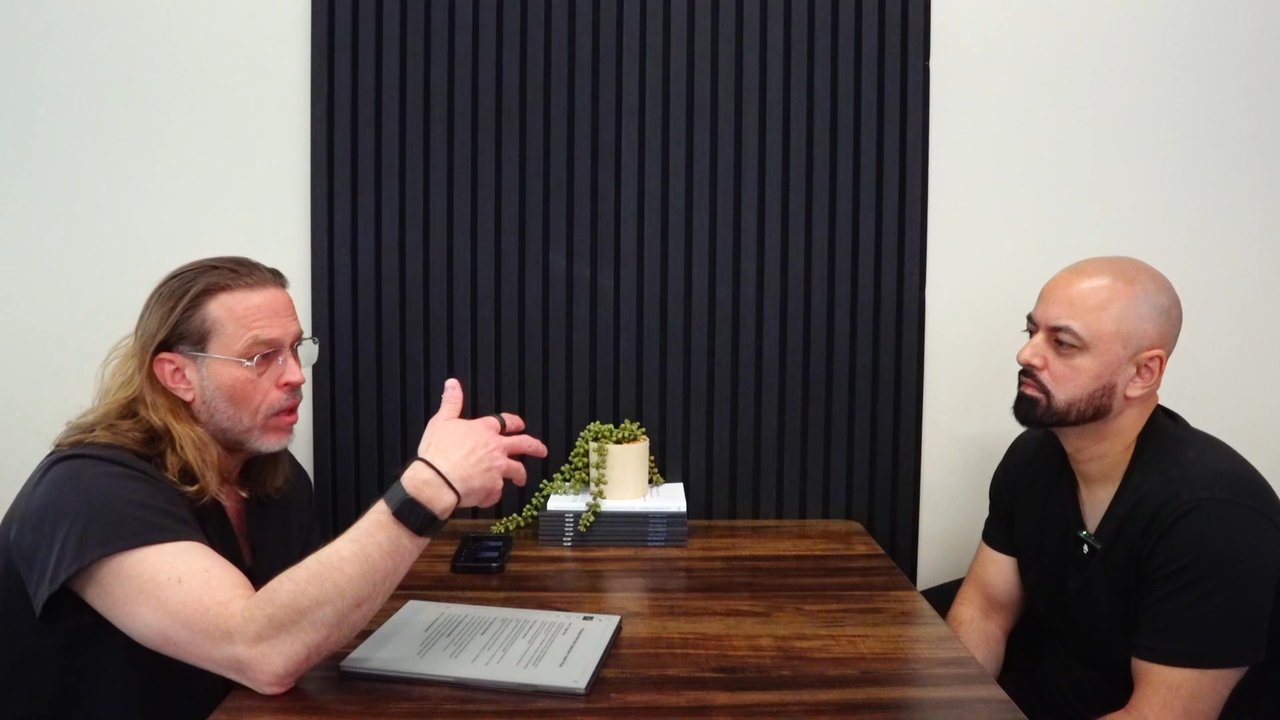
This episode features Dr. Robert Whitfield and Kashif Khan discussing why chronic illness often persists even when standard lab work appears normal. Their core argument is that chronic disease is not random. Instead, it is often predictable when you understand a person’s genetic detoxification, inflammation, and repair pathways.
They explain that many people suffering from fatigue, brain fog, chronic inflammation, and unexplained symptoms may have underlying genetic vulnerabilities that make them less capable of handling toxins, infections, stress, and inflammatory triggers. The conversation connects functional genomics, breast implant illness, immune dysfunction, emotional health, longevity pathways, and the slow adoption of new science in conventional medicine.
A major theme throughout the episode is that the real issue is often not the exposure itself, but the body’s inability to process and recover from that exposure. They also emphasize that recovery is not just about supplements or symptom management. It begins with nervous system regulation, gut repair, and reducing the toxic load in daily life.
## Key Topic Navigation
- Why two people can face the same exposure but only one gets sick
- The four major detox and inflammation pathways that influence risk
- Dr. Whitfield’s observation that 83% of his patients share similar genetic deficits
- How medical devices may trigger immune responses similar to rejection
- The role of bacterial biofilms in chronic inflammation
- The FOXO3 gene pathway and why some people age or recover differently
- Why negative emotions may influence disease-causing gene expression
- The long delay between scientific discovery and real medical adoption
- Gene therapy, CRISPR, and the future of personalized medicine
- The three foundational steps Kashif recommends for people who feel stuck
## Time-Sequential Content Breakdown
### 🎯 Introduction and Core Premise
The discussion opens by challenging the idea that a patient is healthy just because standard labs are normal. Many people, especially women with chronic inflammation, are told nothing is wrong despite persistent symptoms. The speakers frame this as a failure of conventional testing, not proof that the patient is fine.
The episode establishes that genetics can help explain why some people develop chronic symptoms after certain exposures while others do not.
### 🧬 Functional Genomics and Why Chronic Illness Is Predictable
Kashif explains that functional genomics focuses on how genetic variants influence real-world biology. Instead of viewing genes as fixed destiny, he presents them as instructions that affect how the body detoxifies, handles inflammation, repairs damage, and responds to stress.
The conversation emphasizes that chronic illness often becomes more understandable when you look at the systems controlling detoxification, immune regulation, and cellular repair.
### 📊 The Four Detox Pathways and the 83% Clinical Pattern
Dr. Whitfield shares that a large majority of his patients appear to have deficits in four core pathways tied to detoxification and inflammatory regulation. He says this pattern shows up in roughly 83% of his patient population.
The implication is that these patients are biologically more vulnerable to chronic inflammatory overload. Even if the triggering event varies, the underlying susceptibility may be very similar.
### 🏥 Breast Implant Illness, Medical Devices, and Immune Activation
A major part of the conversation focuses on breast implant illness and other device-related illness. The speakers discuss research suggesting that the body may react to certain implanted devices in a way that resembles rejection biology.
They also explain how bacterial biofilms can form on devices and create ongoing immune activation. In a person with impaired detoxification and inflammatory clearance, this can lead to chronic symptoms that persist long after the initial trigger.
### 🧫 Why the Trigger Is Not the Whole Story
One of the most important ideas in the video is that the exposure itself is not always the deciding factor. The more important question is why one body can adapt and recover while another cannot.
Kashif argues that the difference is often in how efficiently the body can process toxins, resolve inflammation, and regenerate damaged tissue. This shifts the focus away from blaming a single external factor and toward understanding the person’s biological terrain.
### 🧬 FOXO3, Aging, and Cellular Regeneration
The episode explores the FOXO3 gene pathway, which is associated with longevity, repair, and cellular resilience. The idea is that some people are genetically better equipped to regenerate, handle oxidative stress, and slow down age-related decline.
This section reinforces the broader message that recovery speed, resilience, and disease susceptibility are deeply shaped by genetic expression, not just external habits.
### 💭 Emotions, Stress, and Gene Expression
One of the strongest claims in the conversation is that negative emotional states may be among the biggest drivers of disease-promoting gene expression. By contrast, positive emotions, connection, purpose, and emotional safety may support healthier gene activity.
The speakers argue that nervous system state is not separate from physical health. Chronic fear, stress, or emotional dysregulation may push the body toward inflammation and impaired healing, while positive emotional states may support repair and recovery.
### ⏳ The 27-Year Gap Between Science and Standard Practice
Kashif highlights the idea that new science can take decades to reach ordinary clinical care. He cites an average lag of 27 years between discovery and routine adoption.
This helps explain why many patients feel dismissed or poorly served by standard care. The science may already exist, but the system often moves too slowly to apply it in practice.
### 🔬 The Future: Gene Therapy, CRISPR, and Personalized Medicine
The conversation briefly looks ahead to gene therapy, stem cell science, and CRISPR-based approaches. These are presented as part of the future of medicine, where care becomes more personalized and root-cause focused.
At the same time, both speakers make it clear that high-tech medicine is not the only answer. Foundational lifestyle and biological repair strategies still matter most for many patients right now.
### 🏗️ The Three Foundational Starting Points
Kashif closes with a practical framework for people who feel stuck and overwhelmed. Before adding more supplements or complicated interventions, he recommends focusing on three basics:
First, regulate the nervous system. If the body remains trapped in stress physiology, healing becomes much harder.
Second, repair the gut wall. Gut barrier damage can contribute to systemic inflammation and ongoing immune activation.
Third, reduce toxic burden in the home environment. Instead of chasing advanced detox programs immediately, start by removing obvious sources of daily toxic stress.
These three steps are presented as the foundation that makes everything else more effective.
## Critical Takeaways
- Chronic illness is often not random. Genetics can help explain why certain people are far more vulnerable to inflammation, toxic burden, and prolonged recovery.
- Many chronically ill patients may share common deficits in detoxification and inflammatory pathways, even when their standard lab work looks normal.
- Breast implant illness and device-related illness may involve immune activation, bacterial biofilms, and rejection-like responses rather than vague or imaginary symptoms.
- Emotional state and nervous system regulation may have a powerful effect on gene expression, aging pathways, and healing capacity.
- The most practical place to begin is not with endless supplements, but with nervous system support, gut repair, and lowering toxic burden.
## Speakers
Dr. Robert Whitfield is a board-certified plastic surgeon known for his work in breast implant illness, chronic inflammation, and regenerative approaches to healing.
Kashif Khan is the CEO of The DNA Company and focuses on functional genomics, personalized health, and using genetic data to guide actionable recovery strategies.